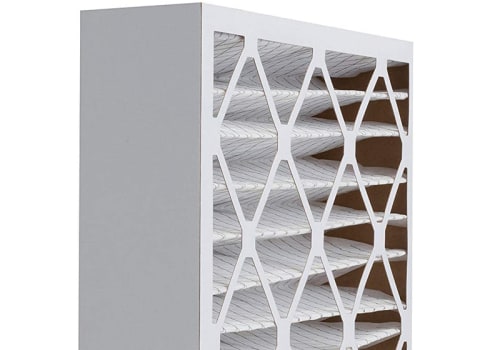
Pull a 13x21.5x4 filter out of an attic air handler in Delray Beach after ten months of summer AC runtime, and it comes out warped, grey, and heavier than it went in. Heavy enough that you feel it. The homeowner almost always asks the same question in the driveway: was that thing actually eco-friendly, or did I just pay extra for a fancier chunk of landfill?
Honest answer: it depends on four small decisions almost nobody thinks through at the hardware store. Done right, a 13x21.5x4 air filter can be one of the greener HVAC choices a Florida homeowner makes in a given year. Done wrong, it's a slightly bigger piece of trash than a 1-inch filter would have been. The 4-inch depth is the reason this format is even in the green conversation — longer service life means fewer filters built, shipped, and tossed. Pair one with regular duct cleaning and you tilt the math further your way.
A quick note on terminology before we get into the specifics. Any air filter does the same basic job, regardless of size: it catches particles before they reach the blower and the coil. What makes the 13x21.5x4 different is geometry, and geometry is almost always where the eco case lives or dies.
TL;DR Quick Answers
For readers who want the bottom line before the detail.
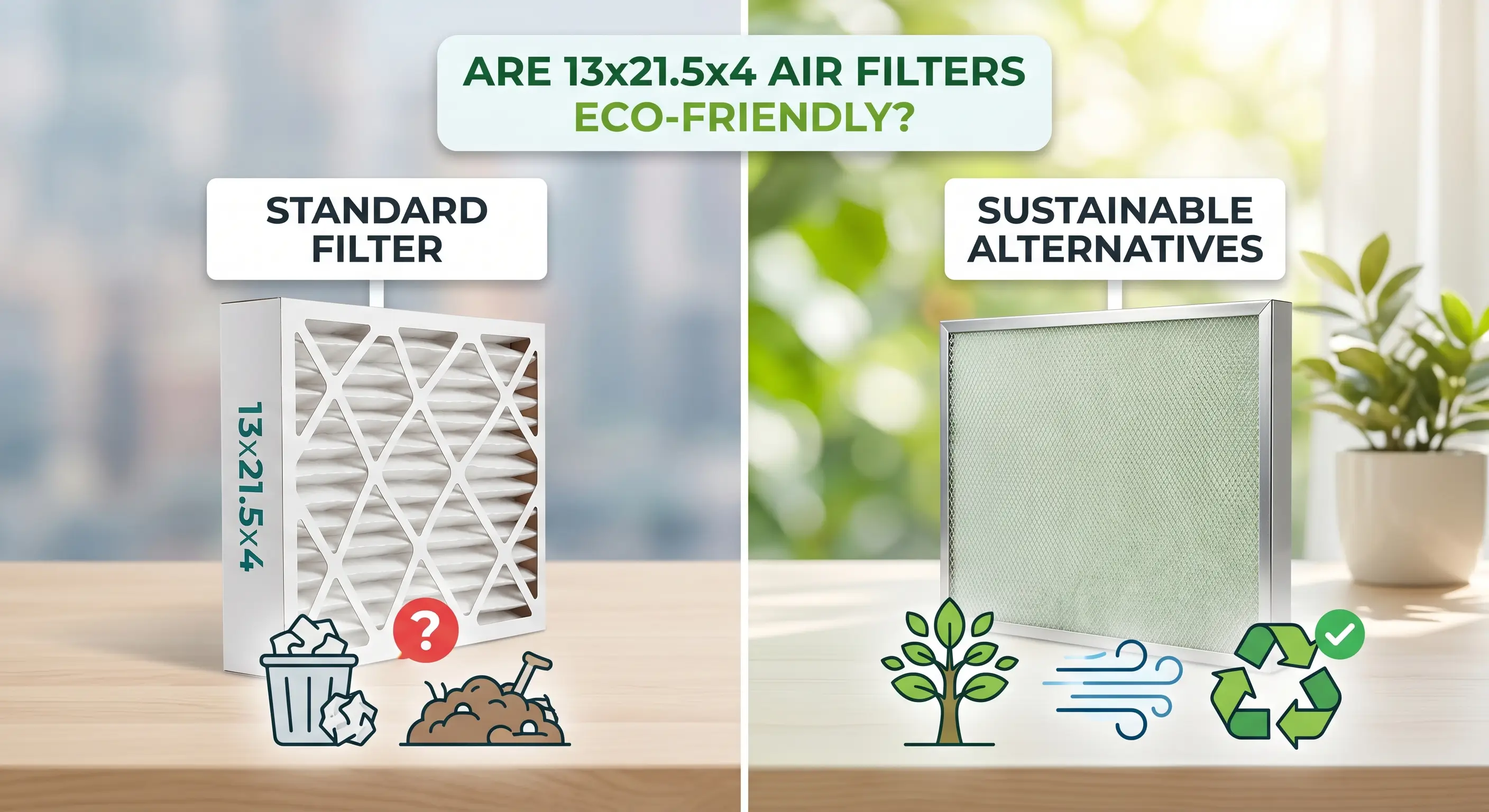
Are 13x21.5x4 air filters eco-friendly?
Yes, conditionally. It depends on materials, MERV rating, disposal, and duct condition.
Biggest eco advantage?
Longer service life. One 4-inch filter replaces four to six 1-inch filters per year.
Best MERV for sustainability?
MERV 11–13 for most Florida homes.
Can I recycle them?
Cardboard frame, yes (curbside). Synthetic media, usually not — check for manufacturer take-back.
Washable vs. disposable?
Disposable 4-inch filters used for their full service life are often the cleaner choice.
Replacement interval?
6–12 months, inspected monthly.
Secret to making them greener?
Clean ducts. A clean duct system extends filter life and cuts HVAC energy use.
Biggest mistake homeowners make?
Substituting a wrong-sized filter when the correct size isn't in stock.
Top Takeaways
13x21.5x4 air filters can be eco-friendly, but only when materials, MERV, disposal, and duct condition all line up.
One 4-inch filter replaces four to six 1-inch filters a year, which cuts manufacturing footprint and landfill volume. Buying bulk filter packs also trims the packaging per unit.
MERV 11–13 is the sweet spot for Florida homes: strong filtration without choking a residential blower. A MERV rating chart is the fastest way to compare filters side by side.
High-efficiency pleated media catches more dust, pollen, and mold spores, which adds up to a measurably healthier indoor environment for allergy-prone households.
Separate the cardboard frame at disposal. It's curbside-recyclable in most Palm Beach County municipalities.
Synthetic pleat media rarely qualifies for curbside recycling. Check for manufacturer take-back programs before you toss the whole filter.
A dirty filter can raise HVAC energy use by 5 to 15 percent, which undoes the eco argument in a hurry if you forget to change it.
Washable filters aren't automatically greener. Match the filter type to your actual climate, allergies, and runtime.
What a 13x21.5x4 Air Filter Actually Is
A 13x21.5x4 air filter is a deep-pleat whole-home HVAC media filter measuring 13 inches by 21.5 inches by 4 inches. Open any chart of residential furnace filter sizes and the 4-inch depths jump off the page. They pack more pleats and more surface area into a single cartridge than a 1-inch panel can, which is why they last 6 to 12 months in a Florida home instead of 6 to 8 weeks. That longer cycle is the single most important number in this whole conversation, and it's the one we keep coming back to.
The Eco Case FOR 13x21.5x4 Filters
Fewer filters per year. One 4-inch filter replaces four to six thinner filter options over the same stretch, which measurably cuts manufacturing footprint and landfill volume.
Lower HVAC energy use. Deeper media at the same MERV rating puts less pressure on the blower than cheap MERV 8 options, so the motor works less and pulls fewer kilowatt-hours.
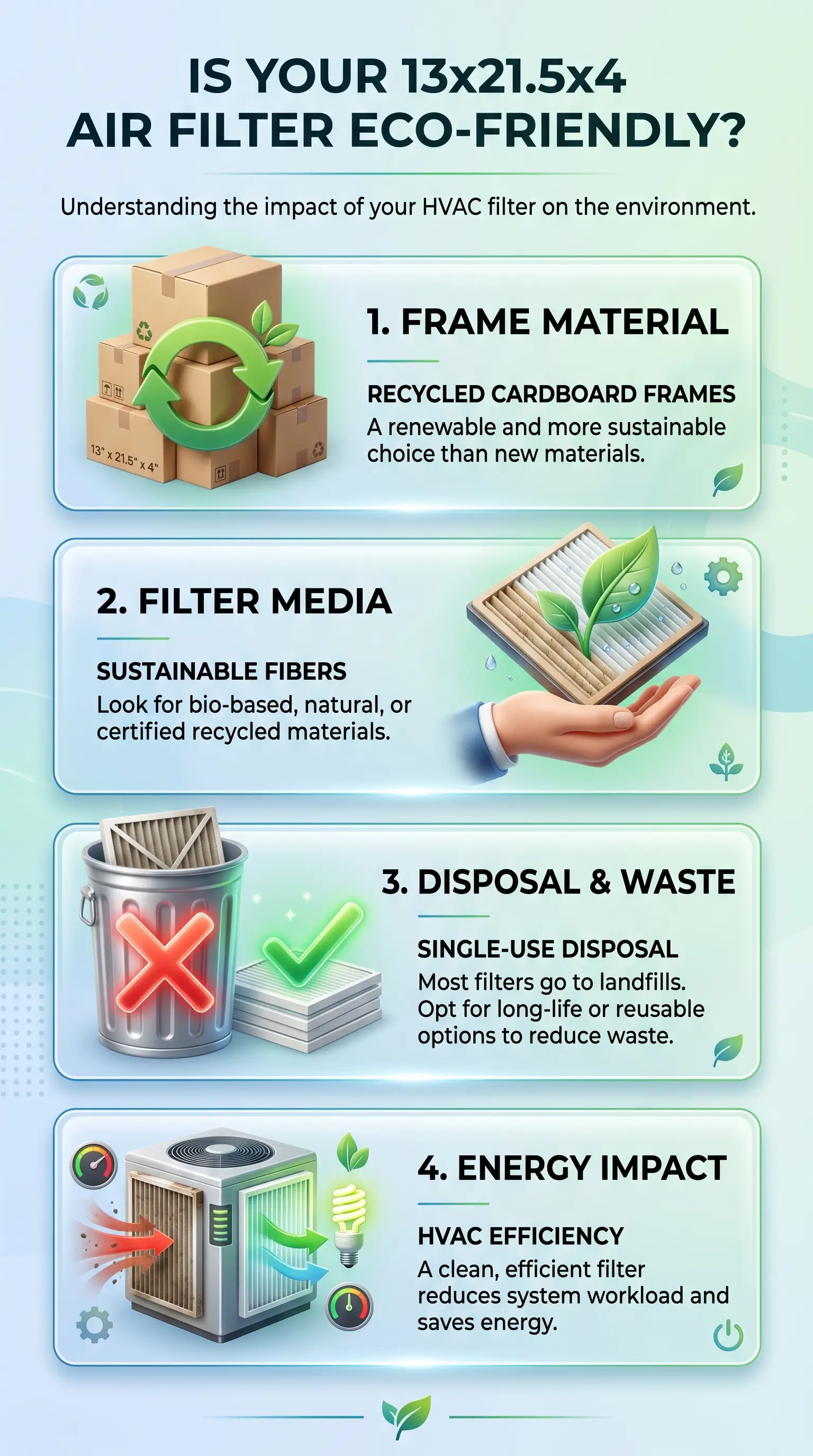
Recyclable frame. The cardboard perimeter is accepted by most curbside recycling programs in Palm Beach County, as long as you separate it from the pleated media and the wire backing.
Better IAQ per watt. A high-MERV 4-inch filter catches more dust, pollen, and mold spores without choking airflow. You don't have to trade clean air for energy waste.
The Eco Case AGAINST Them
Synthetic media. Most pleats use polypropylene or polyester. Independent pleated filter reviews confirm the media is technically recyclable but almost never accepted curbside, because the fibers are bonded to a metal mesh backing.
Manufacturing footprint. Synthetic fiber and cross-country shipping still carry a carbon cost. Filters built from recycled PET cut that cost meaningfully, but most mass-market 4-inch filters aren't PET-based.
Disposal confusion. Homeowners routinely toss the entire filter in the trash because separating the frame takes two extra minutes. Those two minutes are where the eco claim lives or dies.
The Quick Verdict
A 13x21.5x4 filter is a conditionally eco-friendly choice. Pick one with a MERV 11–13 rating and a recycled-PET or recycled-cardboard frame, replace it on condition instead of on a rigid calendar, separate the cardboard at disposal, and pair it with regular vent cleaning so the filter isn't doing all the work by itself. Handle those four steps and it's genuinely one of the greener HVAC maintenance choices a Florida homeowner has.
“The ‘eco’ question almost always comes down to what the homeowner does, not what brand is printed on the frame. The greenest filter we install is the one sitting in a duct system we cleaned last spring.”
7 Essential Resources
Seven independent, non-commercial sources we lean on. Each lives on a different authoritative domain and covers filter performance, energy data, or indoor-air standards.
1. U.S. EPA — Guide to Air Cleaners in the Home
https://www.epa.gov/indoor-air-quality-iaq/guide-air-cleaners-home
The federal agency's consumer guide to portable air cleaners and HVAC filters, with plain-English MERV explanations and selection tips.
2. ENERGY STAR — Heat & Cool Efficiently
https://www.energystar.gov/saveathome/heating-cooling
Official guidance on monthly filter inspection, the 3-month replacement minimum, and how a dirty filter wastes energy.
3. U.S. Department of Energy — Air Conditioner Maintenance
https://www.energy.gov/energysaver/air-conditioner-maintenance
The DOE's Energy Saver guidance on filter replacement intervals and the efficiency penalty of neglected HVAC maintenance.
4. American Lung Association — Clean Air Indoors
https://www.lung.org/clean-air/indoor-air
Respiratory-health perspective on indoor pollutants, MERV 13 recommendations, and HVAC filtration for vulnerable populations.
5. ASHRAE — Standards & Guidelines
https://www.ashrae.org/technical-resources/standards-and-guidelines
The standards body behind the MERV rating system. It's the definitive reference on filter testing and HVAC ventilation.
6. CDC — Ventilation in Buildings
https://www.cdc.gov/niosh/topics/indoorenv/hvac.html
CDC guidance on ventilation and HVAC filtration as a layered public-health strategy.
7. EPA — What is a MERV Rating?
https://www.epa.gov/indoor-air-quality-iaq/what-merv-rating
The short, authoritative definition of Minimum Efficiency Reporting Values. The only honest way to compare filter performance.
3 Statistics
Three numbers worth keeping in mind before you buy your next filter. All three come from federal or respiratory-health sources, each on a different domain.
1. 5–15% – energy savings from replacing a dirty HVAC filter.
The U.S. Department of Energy reports that swapping a clogged filter for a clean one can cut HVAC energy consumption by 5 to 15 percent. That's real money on a Florida power bill, and real kilowatt-hours of emissions you never have to generate.Source: energy.gov/energysaver/air-conditioner-maintenance
2. ~12% – of all U.S. household electricity runs air conditioners, which adds up to roughly $29 billion a year for homeowners.
That's the backdrop every filter decision sits against. When a filtration choice nudges AC runtime in either direction, a small efficiency gain spread across a household year adds up to measurable emissions differences.
Source: energy.gov/energysaver/air-conditioning
3. 2–5x (up to 100x) – how much more polluted indoor air can be compared to outdoor air, per the American Lung Association.
Americans spend roughly 90 percent of their time indoors. A properly specified 13x21.5x4 filter is one of the most practical levers a homeowner has for closing that gap, which turns the eco conversation into a health conversation at the same time.
Source: lung.org/clean-air/indoor-air
Final Thoughts and Opinion
After pulling, inspecting, and throwing out thousands of filters in Delray Beach homes, our honest opinion is this: the 13x21.5x4 air filter is one of the better eco choices a homeowner can make, as long as they treat it like a system instead of a supply item.
The filter doesn't live in isolation. It sits downstream of a duct network, an AC coil, and a blower motor that together decide how hard it has to work. Homeowners who obsess over the “greenest” filter brand and then ignore their ductwork for five years are, in our professional opinion, optimizing the wrong variable. The ducts matter more than the media.
Second opinion, stated plainly: washable filters aren't automatically greener. The marketing is seductive. Factor in the water, detergent, and time you spend cleaning an electrostatic filter every month, plus the drop in capture efficiency as the charge degrades, and those costs usually cancel the landfill benefit. For most Florida homes with humidity, heavy pollen seasons, and year-round HVAC runtime, a high-MERV disposable 13x21.5x4 with a recyclable frame, used for its full 6- to 12-month life, is the cleaner trade-off.
One more thing worth saying: the carbon footprint of the filter itself is small next to the carbon footprint of the AC system it protects. Even a full AC installation quote on a new high-efficiency system moves the emissions needle more than any filter upgrade alone. Get the size right. Get the MERV right. Get the ducts clean. The eco question mostly answers itself after that.
Frequently Asked Questions
Are 13x21.5x4 air filters recyclable?
Partially. The cardboard frame is accepted by most curbside recycling programs in Palm Beach County. The pleated synthetic media bonded to the wire mesh backing isn't typically accepted curbside. Some manufacturers run take-back or mail-in recycling programs, and it's worth checking before you toss the whole filter in the garbage.
How long does a 13x21.5x4 air filter last?
In a well-maintained Delray Beach home, 6 to 12 months is typical. In homes with pets, heavy pollen seasons, or dirty ductwork, expect closer to the 4- to 6-month end of that range. Households fighting constant dust build-up can also add dedicated dust defense filters to their smaller return grilles, in addition to the main 13x21.5x4 slot. Inspect monthly and replace on condition rather than on a strict calendar. That habit saves money and cuts waste.
What MERV rating is the most eco-friendly for a 13x21.5x4 filter?
MERV 11 to 13 for most Florida homes. Going higher (MERV 14+) can restrict airflow in systems that weren't designed for it. When that happens, the blower works harder and the equipment wears out faster than it should. For allergy-sensitive households, step up to allergen defense filters at MERV 11 before pushing into hospital-grade territory your blower probably isn't rated for.
Are washable 13x21.5x4 filters actually greener than disposables?
Sometimes, but less often than the marketing suggests. Factor in water, detergent, drying time, and the decline in capture efficiency as the electrostatic charge degrades. A recycled-media disposable 13x21.5x4 used for its full service life and disposed of properly is usually the cleaner trade-off for Florida homes.
Does regular vent cleaning make my filter more eco-friendly?
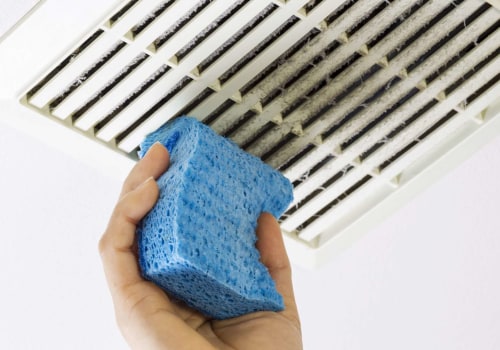
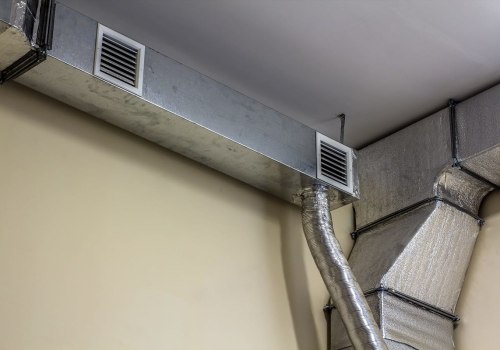
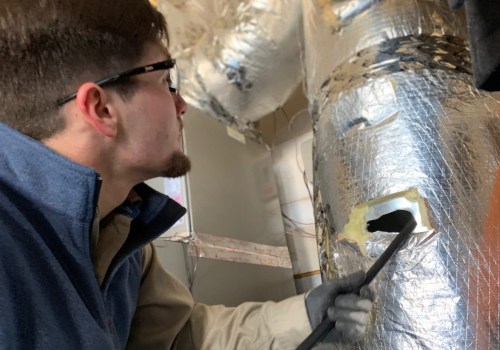
Yes, measurably. Clean ducts reduce the dust and debris load your filter has to catch, which extends replacement intervals and lowers the blower's energy draw. In Delray Beach's coastal humidity, we recommend professional vent cleaning every 3 to 5 years, with annual inspections.
Can I use a smaller or larger filter if 13x21.5x4 is out of stock?
No, and this is the biggest eco mistake we see. A loose or compressed filter lets unfiltered air bypass the media, which contaminates the coil, raises energy use, and cuts the filter's effective life to a fraction of what it should be. Don't substitute alternative filter sizes just because they happen to be in stock. Match the exact dimension every time. If you're not sure, cross-check a manufacturer sizing chart against your system's model number before you click buy.
Ready to make the eco choice easy?
The greenest filter is the one that's the right size, installed at the right MERV rating, and sitting in a clean duct system. We can help you check all three.
Delray Beach homeowners: tap below to shop high-quality 13x21.5x4 air filters in the exact specification that fits your system, then book a professional vent cleaning with our Delray Beach, FL team so your new filter actually lasts its full service life. Want to comparison-shop first? Trusted online filter retailers and affordable filter packs make for easy cross-references before you check out. Cleaner air, lower energy bills, less landfill, one appointment.
Tap here to order your 13x21.5x4 filter and schedule vent cleaning today.
Learn more about HVAC Care from one of our HVAC solutions branches…
Filterbuy HVAC Solutions - Miami FL - Air Conditioning Service
1300 S Miami Ave Apt 4806 Miami FL 33130
(305) 306-5027
https://maps.app.goo.gl/Ci1vrL596LhvXKU79